.svg)


.svg)
Processing unearned premium refunds when insurance policies cancel mid-term requires strict compliance with state-specific cancellation and refund rules, which vary by jurisdiction and policy type, with non-compliance penalties potentially reaching 25% of the refund amount plus 18% annual interest. Modern disbursement platforms for insurance carriers can automate these complex compliance requirements while reducing processing time from 2-4 hours to just 15-30 minutes per cancellation, transforming a regulatory minefield into a streamlined process that protects both insurers and policyholders.
Key Takeaways
- Unearned premium represents the portion of prepaid coverage not yet provided. When a policy cancels mid-term, this amount must typically be refunded to the policyholder
- Pro-rata cancellation refunds 100% of unearned premium proportionally, while short-rate methods allow insurers to retain up to 10% as a penalty
- State refund timelines vary significantly: Florida requires 15 days for insurer-initiated and 30 days for insured-initiated cancellations
- Late payment penalties can be severe. Georgia imposes a 25% penalty plus 18% annual interest capped at 50% of the refund amount
- Automation can reduce standard cancellation processing from 2-4 hours to 15-30 minutes, substantially reducing manual processing requirements
- Policies financed through premium finance companies require additional coordination because unearned premiums must flow to the financier first
Understanding Unearned Premium Refunds: What is a Prorated Refund?
The concept of unearned premium forms the foundation of mid-term cancellation refunds. When policyholders pay premiums upfront, they're purchasing coverage for a specific future period. If the policy terminates before that period ends, the insurer hasn't "earned" the premium for the remaining coverage time.
Defining 'Unearned Premium'
Unearned premium represents a liability on the insurer's balance sheet because the company has received payment for services not yet rendered. This accounting treatment ensures insurers maintain adequate reserves to honor refund obligations when policies cancel early.
The calculation is straightforward:
- Earned Premium = Total Premium ÷ Policy Days × Days Elapsed
- Unearned Premium = Total Premium − Earned Premium
For example, if a policyholder pays $1,200 for annual coverage and cancels after 6 months (183 days), the earned premium equals approximately $602, leaving roughly $598 as unearned premium subject to refund.
The Concept of Proration in Insurance
Proration divides premium costs proportionally across the coverage period. Unlike flat fees or service charges, insurance premiums are inherently time-based. Policyholders pay for each day of coverage protection.
Understanding proration matters because:
- It determines refund amounts when policies cancel mid-term
- It affects insurer financial reporting through unearned premium reserve calculations
- It creates compliance obligations under state insurance regulations
- It impacts cash flow planning for both insurers and policyholders
The unearned premium reserve ties up insurer capital that cannot be distributed as profit until coverage is provided. This regulatory requirement ensures solvency and protects policyholders' refund rights.
Navigating Car Insurance Cancellation Laws and Policy Refunds
State insurance regulations create a complex patchwork of requirements that insurers must navigate carefully. Each jurisdiction sets its own rules for refund timelines, calculation methods, notice requirements, and penalties for non-compliance.
Key Legal Rights for Policyholders
Policyholders possess significant statutory protections when seeking refunds for cancelled coverage. These rights vary by state but typically include:
- Guaranteed refund timelines that insurers must meet
- Mandated calculation methods that favor consumer interests
- Interest penalties when insurers fail to pay promptly
- Legal recourse options including private lawsuits and regulatory complaints
In Florida, policyholders may pursue a civil remedy under Section 624.155 if the refund remains unpaid 45 days after the applicable statutory refund period. This private right of action creates strong incentives for timely compliance.
State-Specific Refund Requirements
The regulatory landscape varies dramatically across states:
Florida Requirements:
- Insurer-initiated cancellations: 15-day refund deadline
- Insured-initiated cancellations: 30-day refund deadline
- Penalty: 8% interest on late payments
- Insurer may retain up to 10% of unearned premium when insured cancels
- Military exception: 100% refund required for servicemembers reassigned
Delaware Requirements:
- 30-day standardized timeline from cancellation date
- 2024 regulation (Reg 611) harmonized automobile insurance refund rules
- Regulatory penalties determined case-by-case
Georgia Requirements:
- Unearned premiums generally must be returned within 10 working days under applicable cancellation rules, with exceptions for audits, rate investigations, and premium-financed policies
- Penalty: 25% of refund amount
- Additional 18% annual interest from due date
- Maximum penalty capped at 50% of total refund
Oregon Requirements:
- Financed insurance policies: 30-day refund deadline after cancellation
- Unearned premiums must be returned to the premium finance company for the insured's account
- Pro-rata calculation is required for financed policies
Maintaining accurate audit trails for legal disbursements helps insurers demonstrate compliance during regulatory examinations.
How to Cancel Your Car Insurance Policy and Secure a Refund
The cancellation process involves multiple steps that must be executed correctly to ensure timely refund processing. Errors at any stage can delay payments and create compliance risks.
Step-by-Step Cancellation Guide
Step 1: Submit Cancellation Request
Contact your insurer through approved channels: phone, email, online portal, or through your agent. Clearly state:
- Your policy number and personal details
- Requested effective cancellation date
- Reason for cancellation (affects calculation method in some states)
Step 2: Verify Cancellation Eligibility
Ensure no outstanding issues block your cancellation:
- Outstanding premium balances must be resolved
- Grace periods haven't expired
- No pending claims that could affect coverage
Step 3: Confirm Calculation Method
Ask which refund method applies to your situation:
- Pro-rata: Full proportional refund of unearned premium
- Short-rate: Refund minus penalty (typically 10%)
- Minimum earned premium: Some policies guarantee insurers retain minimum amounts
Step 4: Obtain Written Confirmation
Request documentation showing:
- Effective cancellation date
- Refund amount calculation
- Expected payment timeline
- Payment method (check, ACH, original payment reversal)
Required Documentation for Refund Processing
Maintain complete records throughout the process:
- Original policy documents showing premium amounts and coverage dates
- Cancellation confirmation letter with effective date
- Refund calculation worksheet showing how the amount was determined
- Payment confirmation once funds are received
- Correspondence records including emails and call notes
For complex situations involving multiple parties, comprehensive reporting and reconciliation systems help track every element of the transaction.
Calculating Your Car Insurance Overpayment Refund: A Prorated Approach
Understanding refund calculations helps policyholders verify amounts and identifies errors before they become disputes. The two primary calculation methods produce significantly different results.
The Simple Prorated Refund Formula
Pro-Rata Method (Non-Penalty):
This method provides the fairest outcome for policyholders:
Daily Premium Rate = Total Premium ÷ Policy Days
Days Remaining = Policy End Date − Cancellation Date
Return Premium = Daily Rate × Days Remaining
Example Calculation:
- Annual premium: $1,200
- Policy term: 365 days
- Days elapsed at cancellation: 183 days
- Days remaining: 182 days
Calculation:
- Daily rate: $1,200 ÷ 365 = $3.29
- Return premium: $3.29 × 182 = $598.78
The policyholder receives $598.78 as their refund.
Short-Rate Calculations
Short-Rate Method (90% Pro Rata):
When policyholders initiate cancellation, insurers in many states may apply a penalty retaining 10% of unearned premium:
Unearned Premium = Total Premium × (Days Remaining ÷ Total Days)
Return Premium = Unearned Premium × 0.90
Example Using Same Scenario:
- Unearned premium: $1,200 × (182 ÷ 365) = $598.36
- Return premium: $598.36 × 0.90 = $538.52
- Insurer retains: $59.84 as penalty
The policyholder receives $538.52, approximately $60 less than pro-rata.
Examples of Refund Calculations
Scenario 1: Mid-Year Cancellation, Insurer-Initiated
- $2,400 annual premium
- Cancelled after 100 days (insurer non-renewed)
- Method: Pro-rata (required for insurer-initiated)
Calculation:
- Daily rate: $2,400 ÷ 365 = approximately $6.5753
- Days remaining: 265
- Refund: approximately $1,742.47
Scenario 2: Early Cancellation, Policyholder-Initiated
- $2,400 annual premium
- Cancelled after 30 days (policyholder found cheaper coverage)
- Method: Short-rate (10% penalty allowed)
Calculation:
- Unearned premium: $2,400 × (335 ÷ 365) = $2,202.74
- Return premium: $2,202.74 × 0.90 = $1,982.47
- Insurer retains: $220.27
Scenario 3: Premium Finance Involvement
- $2,400 annual premium financed through third party
- $1,800 remaining on loan at cancellation
- Unearned premium calculated: $1,200
Refund distribution:
- Finance company receives: $1,200 (applied to loan balance)
- Remaining loan balance: $600 (policyholder still owes)
- Policyholder receives: $0 (no surplus)
Understanding these scenarios helps when evaluating insurance claims payout statistics and ensuring accurate fund distribution.
When Will I Get My Auto Insurance Refund? Timeline and Tracking
Refund timing depends on state regulations, insurer processes, and the complexity of your specific situation. Setting realistic expectations helps avoid frustration while ensuring you can identify genuine delays requiring escalation.
Typical Refund Processing Periods
State-Mandated Timelines:
- Florida: 15-30 days depending on who initiated cancellation
- Delaware: 30 days from cancellation date
- Georgia: generally 10 working days under applicable cancellation rules, with exceptions for certain audits and premium-financed policies
- Oregon: 30 days for financed insurance policies
- Most states: 30-60 days typical
Payment Method Impact:
- ACH direct deposit: 1-3 business days after processing
- Paper check: 5-10 business days including mail time
- Credit card reversal: 3-7 business days
- Push-to-card: 30 minutes to 24 hours
Complicating Factors:
- Premium finance company involvement adds 2-4 weeks
- Commercial policy audits can extend timelines by 30-60 days
- Mortgagee approval requirements add coordination time
- Multi-party splits require additional verification
What to Do If Your Refund is Delayed
Week 1-2 After Expected Date:
- Contact customer service for status update
- Document conversation details including representative name
- Request tracking number or reference code
- Verify banking information is correct
Week 3-4 After Expected Date:
- Escalate to supervisor or manager
- Submit formal written complaint
- Request written explanation for delay
- Calculate any interest owed under state regulations
Beyond 30 Days Past Deadline:
- File complaint with state insurance department
- Consider engaging attorney if amounts are significant
- Calculate statutory penalties that may apply
- Document all communication attempts
For organizations managing high volumes of refund payments, systems that resolve failed and returned payments quickly become essential for maintaining compliance and customer satisfaction.
Dealing with Insurance Overpayment Refunds: What to Do Next
Receiving your refund is just the first step. Verifying accuracy and managing the funds appropriately completes the process.
Verifying Your Refund Amount
Before depositing or spending your refund, confirm the calculation:
Verification Checklist:
- Compare refund amount against your own calculation
- Verify the correct cancellation date was used
- Confirm the appropriate calculation method was applied
- Check for any undisclosed deductions or fees
- Ensure premium finance payoff was handled correctly (if applicable)
Common Discrepancies to Watch:
- Wrong cancellation effective date used
- Short-rate applied when pro-rata required
- Outstanding balances deducted incorrectly
- Administrative fees not disclosed in original policy
- Premium finance coordination errors
If You Find Errors:
- Document your calculation with supporting evidence
- Submit formal dispute in writing
- Reference specific policy language and state regulations
- Request correction within statutory timeframes
- Escalate to state insurance department if unresolved
Smart Uses for Your Insurance Refund
Once verified, consider strategic uses for unexpected funds:
- Apply toward new coverage to reduce immediate premium burden
- Emergency fund contribution if savings need replenishment
- Debt reduction to lower interest expenses
- Vehicle maintenance that may have been deferred
- Insurance shopping fund to compare better options
Record Keeping:
Maintain refund documentation for at least three years:
- Final cancellation notice
- Refund calculation worksheet
- Payment receipt or bank statement showing deposit
- Any correspondence regarding disputes or corrections
This documentation proves valuable during tax preparation and any future disputes.
Special Cases: Government Car Insurance Refunds and Specific Policies
Certain circumstances trigger special refund requirements or involve unique stakeholders requiring additional coordination.
State-Issued Relief and Refunds
Government-mandated refunds occur periodically due to extraordinary circumstances:
COVID-19 Premium Refunds:
Many insurers issued refunds during 2020-2021 as driving decreased dramatically. State insurance commissioners required or encouraged these payments, creating massive one-time disbursement events requiring sophisticated high-volume payout capabilities.
Regulatory Actions:
State insurance departments occasionally order refunds when:
- Insurers charged improper rates
- Regulatory violations affected premium calculations
- Class action settlements mandate customer restitution
- Market conduct examinations reveal overcharges
Disaster-Related Adjustments:
Catastrophic events may trigger:
- Premium credits for periods without coverage access
- Accelerated refund processing requirements
- Waived cancellation penalties
- Extended grace periods for reinstatement
Carrier-Specific Cancellation Procedures
Major insurers each maintain distinct processes:
Common Carrier Variations:
- Some require written cancellation requests; others accept phone requests
- Online cancellation availability varies significantly
- Refund timeline targets may exceed state minimums
- Preferred payment methods differ (check vs. electronic)
Documentation Requirements:
- Proof of replacement coverage often required
- Valid identification verification
- Outstanding balance resolution before refund processing
- Mortgagee notification in some cases
Premium Finance Coordination:
When a policy is financed through a premium finance company, unearned premiums may need to flow through the finance company before any surplus is returned to the policyholder. This adds complexity including:
- Loan payoff calculation
- Finance company processing time
- Surplus distribution to policyholder
- Documentation of all fund movements
Understanding multi-channel payouts helps organizations handle these complex distribution scenarios effectively.
Ensuring Compliance and Accuracy in Premium Refund Disbursements
For insurers and administrators processing refunds at scale, compliance requires systematic approaches that prevent errors and document every step.
Regulatory Framework for Insurance Refunds
Key Compliance Areas:
Calculation Accuracy:
Using the wrong method creates regulatory exposure. Pro-rata is typically required for insurer-initiated cancellations, while short-rate may be permitted for policyholder-initiated terminations. State-specific rules must be applied based on the jurisdiction of risk location, not the policyholder's mailing address.
Timeline Compliance:
State deadlines are non-negotiable. Tracking systems must:
- Monitor all pending refunds against applicable deadlines
- Generate alerts at 50%, 75%, and 90% of allowed time
- Escalate approaching deadlines to management
- Document completion timestamps
Notice Requirements:
Cancellation confirmations must include:
- Effective date clearly stated
- Refund amount and calculation method
- Expected payment timeline
- Payment method details
- Contact information for questions
Accounting Treatment:
Current industry practice often creates negative receivables that distort financial statements. Proper accounting requires:
- Separate trust account ledgers for premium funds
- Operating account ledgers for business funds
- Clear liability recognition for refund obligations
- Accurate receivables tracking from carriers and agencies
Protecting Against Fraudulent Claims
Refund fraud represents a growing concern requiring proactive detection:
Common Fraud Patterns:
- Fabricated cancellation requests using stolen identity information
- Manipulation of cancellation dates to maximize refunds
- Duplicate refund requests through multiple channels
- Premium finance schemes with coordinated cancellations
Detection Mechanisms:
- Identity verification before processing cancellations
- Payment method matching (refunds to original payment source)
- Velocity monitoring for unusual cancellation patterns
- Cross-reference checking against known fraud indicators
Prevention Strategies:
- Multi-factor authentication for cancellation requests
- Call-back verification for high-value refunds
- Address change waiting periods before payment release
- Audit logging of all system access and modifications
Organizations handling large-scale refund distributions benefit from fraud prevention in digital disbursements to protect both company resources and policyholder interests.
Automation Benefits
Manual cancellation workflows can require several hours of processing per case. Automation can reduce standard cancellation processing from 2-4 hours to 15-30 minutes, reducing repetitive manual work while improving consistency.
Automation Advantages:
- Processing time drops substantially per cancellation
- Automated workflows can achieve error rates below 2% for standard decisions
- State regulation compliance becomes systematic rather than dependent on individual knowledge
- Late payment penalties virtually eliminated through deadline tracking
- Audit documentation generated automatically
The financial return from automation depends on cancellation volume, labor costs, integration requirements, and the amount of manual processing eliminated.
Conclusion: Streamlining Premium Refunds with Talli
While numerous payment platforms exist, Talli delivers specialized solutions for organizations managing high-volume, compliance-critical disbursements. This addresses exactly the challenges insurers face when processing premium refunds at scale.
Talli's platform tackles the core challenges of unearned premium refunds through:
Multi-Channel Payment Options:
Instead of forcing all refunds through slow paper check processes, Talli enables ACH direct deposit, prepaid cards, and digital wallets. This gives policyholders faster access to their funds while reducing insurer processing costs by an estimated 50-65% compared to traditional checks.
Compliance Automation:
The platform includes integrated compliance features covering:
- Automated KYC verification for recipient identity confirmation
- OFAC sanctions screening with documented timestamps
- Complete audit trails for digital disbursements
- Court-ready documentation for regulatory examinations
Fraud Detection:
AI-powered pattern recognition identifies suspicious refund requests through device fingerprinting, behavioral analytics, and identity verification. This achieves fraud detection rates that manual review cannot match.
Real-Time Tracking:
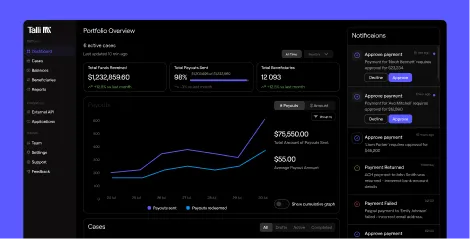
Live dashboards show payment status, completion rates, and potential issues requiring attention. Automated reporting generates compliance documentation without manual preparation, while webhook integration keeps existing systems synchronized.
For insurance carriers, claims administrators, and premium finance companies processing hundreds or thousands of refund transactions monthly, Talli's disbursement platform for insurance carriers provides the infrastructure needed to meet regulatory timelines while reducing operational costs.
Talli's multi-rail digital payment infrastructure can help carriers reduce payment-delivery delays while providing real-time tracking and audit-ready records for high-volume disbursements.
Frequently Asked Questions
What is the difference between pro-rata and short-rate cancellation?
Pro-rata cancellation refunds the full unearned premium proportionally based on remaining coverage days. The policyholder receives back exactly what they paid for coverage not received. Short-rate cancellation allows insurers to retain a penalty, typically 10% of unearned premium, when the policyholder initiates cancellation. For a $1,200 annual policy cancelled at the midpoint, pro-rata would refund approximately $600 while short-rate would refund about $540. Most states require pro-rata for insurer-initiated cancellations but permit short-rate for policyholder-initiated terminations.
Can an insurance company charge a cancellation fee for a mid-term policy cancellation?
Yes, but with limitations. Many states permit insurers to retain up to 10% of unearned premium as a cancellation penalty when the policyholder initiates termination. However, this must be disclosed in the policy documents, and many states prohibit such penalties when the insurer initiates cancellation. Some policies specify minimum earned premium amounts that insurers retain regardless of cancellation timing. Always check your policy language and state regulations. Servicemembers under the Servicemembers Civil Relief Act are entitled to 100% refunds when reassigned.
How quickly should I expect to receive my unearned premium refund?
State law dictates maximum timelines: Florida requires 15-30 days, Delaware mandates 30 days, Georgia generally requires 10 working days under applicable cancellation rules with exceptions, and Oregon allows 30 days for financed policies. Most states fall in the 30-60 day range. If your policy involves a premium finance company, expect additional time as the refund must flow through the financier first. ACH payments arrive faster than paper checks, so request electronic transfer if available.
What if my insurance company refuses to issue a refund?
First, document your request and all communications in writing. Request a written explanation for the refusal, referencing specific policy language and state regulations requiring refunds. If the insurer doesn't respond satisfactorily, escalate to their complaint department and simultaneously file a complaint with your state insurance department. In Florida, policyholders may pursue a civil remedy under Section 624.155 if the refund remains unpaid 45 days after the applicable statutory refund deadline. Georgia automatically imposes 25% penalties plus 18% interest on late refunds. State insurance commissioners have significant enforcement authority over refund violations.
Are there tax implications for receiving an insurance refund?
Generally, premium refunds are not taxable income because they represent return of your own money that was never a deductible expense for most personal insurance. However, if you deduct the insurance premium as a business expense (such as commercial auto insurance), the refund may need to be reported as income in the year received. Consult a tax professional for your specific situation, particularly for commercial policies or situations involving premium finance arrangements where interest deductions may have been claimed.